Hydrangea Flowers: The Ultimate Guide
Hydrangea Flowers: The Ultimate Guide
Hydrangeas are some of the most popular flowering shrubs in the world. They are known for their large, showy blooms that come in a variety of colors, including blue, pink, white, and purple. Hydrangeas are relatively easy to grow and care for, making them a great choice for gardeners of all levels of experience.
In this guide, we will discuss everything you need to know about hydrangeas, from choosing the right variety for your garden to planting, caring for, and propagating them. We will also provide tips on how to extend the bloom time of your hydrangeas and how to dry them for indoor arrangements.
Choosing the Right Hydrangea Variety
There are many different varieties of hydrangeas available, so it is important to choose one that is suited to your climate and growing conditions. If you live in a cold climate, you will want to choose a hardy variety that can withstand cold winters. If you live in a hot climate, you will want to choose a variety that is tolerant of heat and humidity.
Once you have considered your climate, you can start to narrow down your choices by considering the size and color of the blooms. Hydrangeas come in a wide range of sizes, from small shrubs to large trees. If you have limited space, you will want to choose a compact variety. If you have more space, you can choose a larger variety.
The color of the blooms is another important consideration. Hydrangeas can be blue, pink, white, or purple. The color of the blooms is determined by the pH of the soil. In alkaline soil, hydrangeas will bloom blue. In acidic soil, they will bloom pink. If you want to change the color of your hydrangeas, you can adjust the pH of the soil.
Planting Hydrangeas
Hydrangeas are best planted in the spring or fall. When planting, choose a location that receives morning sun and afternoon shade. Hydrangeas do not like hot, dry sun. The soil should be well-drained but moist. If your soil is sandy, you will need to add compost or peat moss to improve drainage.
Dig a hole that is twice as wide and as deep as the root ball of the hydrangea. Place the hydrangea in the hole and backfill with soil. Water the hydrangea well.
Caring for Hydrangeas
Hydrangeas are relatively low-maintenance plants. However, they do require some basic care to thrive.
- Water your hydrangeas regularly, especially during the first year after planting.
- Fertilize your hydrangeas once a year in the spring with a balanced fertilizer.
- Prune your hydrangeas in the fall after the blooms have faded.
Extending the Bloom Time of Hydrangeas
The bloom time of hydrangeas can be extended by deadheading spent blooms. Deadheading is the process of removing spent blooms from the plant. This will encourage the plant to produce more blooms.
You can also extend the bloom time of hydrangeas by applying a foliar fertilizer. Foliar fertilizers are fertilizers that are applied to the leaves of the plant. They are a good way to provide the plant with nutrients quickly.
Drying Hydrangeas
Hydrangeas can be dried for indoor arrangements. To dry hydrangeas, cut the blooms when they are fully open. Place the blooms in a vase of water and allow them to sit for a few days. Once the blooms have wilted, remove them from the vase and hang them upside down in a dark, dry place. The blooms will dry in a few weeks.
Conclusion
Hydrangeas are beautiful and easy-to-grow shrubs that can add a touch of elegance to any garden. With proper care, hydrangeas will bloom for many years to come.
FAQ of hydrangea flower
Frequently Asked Questions About Hydrangea Flowers
Hydrangeas are beautiful flowers that come in a variety of colors and sizes. They are popular both as cut flowers and garden plants. Here are some of the most frequently asked questions about hydrangeas:
- What are hydrangeas known for?
Hydrangeas are known for their large, beautiful blooms. The flowerheads look like pom poms growing on bushes that can get as tall as trees. They come in a variety of different colors, including blue, pink, purple, and white.
- What are the different types of hydrangeas?
There are over 70 species of hydrangeas, and many different cultivars. Some of the most popular types of hydrangeas include:
* Bigleaf hydrangea (Hydrangea macrophylla): This is the most common type of hydrangea. It has large, showy blooms that can be blue, pink, or purple.
* Oakleaf hydrangea (Hydrangea quercifolia): This type of hydrangea has leaves that resemble oak leaves. Its blooms are smaller than bigleaf hydrangeas, but they are often a more intense color.
* Annabelle hydrangea (Hydrangea arborescens Annabelle): This type of hydrangea is known for its large, white blooms. It is a low-maintenance plant that is easy to grow.
* Endless Summer hydrangea (Hydrangea macrophylla Endless Summer): This type of hydrangea blooms twice a year, once in the spring and once in the fall. It is a popular choice for gardeners who want to enjoy hydrangea blooms for a longer period of time.
- What color are hydrangeas?
The color of hydrangeas depends on the acidity of the soil. In acidic soil, hydrangeas will bloom blue. In alkaline soil, they will bloom pink. You can change the color of your hydrangeas by adjusting the pH of your soil.
- How do you care for hydrangeas?
Hydrangeas are relatively easy to care for. They need full sun to partial shade and well-drained soil. They should be watered regularly, especially during hot, dry weather. Hydrangeas can be pruned in the spring to shape the plant and encourage new growth.
- What are the health benefits of hydrangeas?
Hydrangeas have some potential health benefits. The root and rhizome of the plant have been used to treat urinary tract infections, enlarged prostate, and kidney stones. Hydrangeas may also have anti-inflammatory and antioxidant properties. However, more research is needed to confirm these benefits.
Image of hydrangea flower
5 different images of hydrangea flower from Pinterest:
- A bouquet of hydrangea flowers in shades of pink and blue.
- A close-up of a single hydrangea flower with its delicate petals.
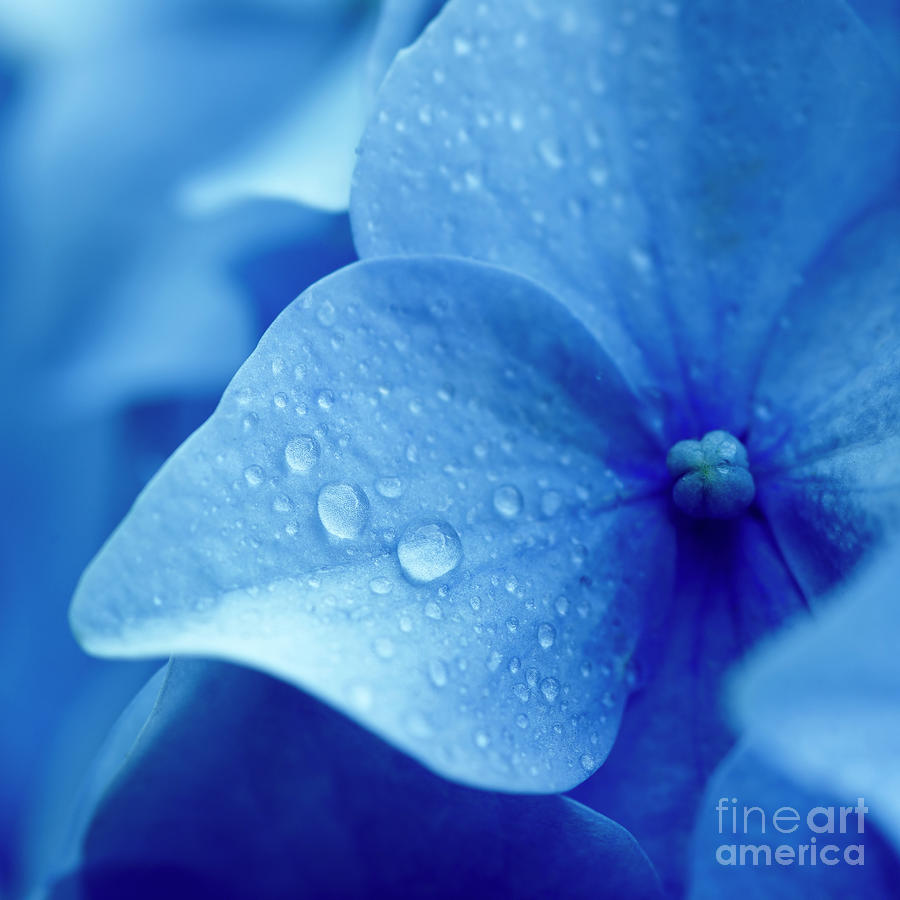
- A cluster of hydrangea flowers in a garden.

- A hydrangea tree in full bloom.
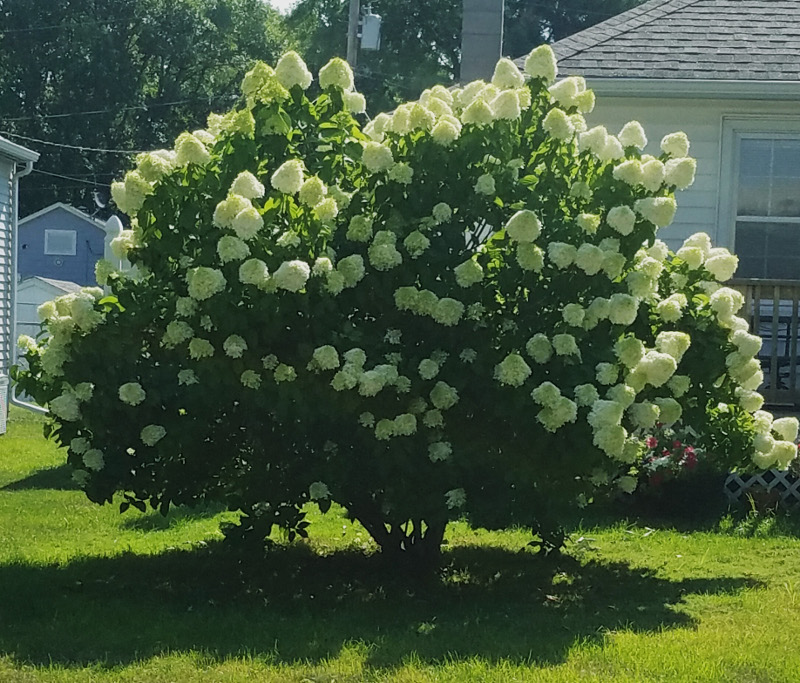
- A hydrangea flower arrangement in a vase.


Post a Comment for "Hydrangea Flowers: The Ultimate Guide"